What is an industrial process water chiller?
In today’s competitive landscape, industrial water cooler manufacturers play a pivotal role in ensuring optimal operational efficiency for businesses across various sectors. These cooling systems are essential for maintaining temperature-sensitive processes, helping industries mitigate risks related to overheating. With water usage increasingly scrutinized in terms of sustainability and efficiency, companies are turning to advanced solutions offered by industrial water coolers. These not only provide cooling but also reduce energy consumption, thereby addressing the pain points of high operational costs.
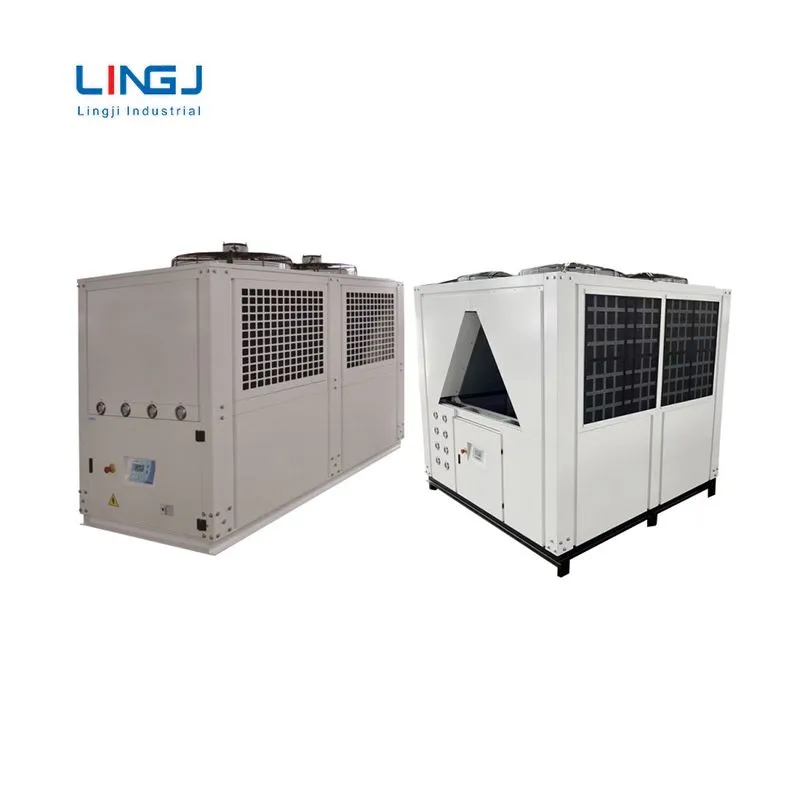
What Is an Industrial Process Water Chiller?
An industrial process water chiller is a sophisticated cooling system designed to regulate temperatures in industrial applications. These chillers utilize heat exchange technology to efficiently transfer heat away from process fluid, maintaining optimal temperature ranges in manufacturing or production environments. The industrial cooling systems vary in size, capacity, and complexity, with designs tailored for specific applications, such as plastics production, metalworking, and chemical processing.
Understanding the terminologies surrounding this technology is critical. Common terms include:
- Chilled Water System: A system utilizing chilled water from a chiller to cool down machinery or products.
- Cooling Load: The amount of heat to be removed from a space or fluid to maintain the desired temperature.
- Refrigerant: A substance used in a heat pump or refrigerator to absorb heat from one area and release it in another.
Application Scenarios for Industrial Water Coolers
Industrial water coolers find their application across diverse fields. Some key industries benefiting from these systems include:
- Manufacturing: Used in cooling machinery to prevent overheating and maintain efficient operation.
- Food & Beverage: Cooling systems ensure food safety and quality by controlling temperatures in processing environments.
- Pharmaceuticals: Used to maintain precise temperature control vital for product stability and compliance with health regulations.
- Electronics: Essential in semiconductor manufacturing where even minor temperature fluctuations can cause defects.
- HVAC Systems: Larger systems use chillers to reduce energy consumption while providing cooling solutions in commercial buildings.
These chillers are indispensable for maintaining product integrity, enhancing safety, and improving process efficiency in these industries.
Advantages of Industrial Water Coolers
The significance of industrial water coolers extends beyond mere temperature regulation. Key advantages include:
- Increased Energy Efficiency: According to a report by the U.S. Department of Energy, modern chiller technology can achieve energy savings of 35% to 50% compared to older systems.
- Extended Equipment Lifespan: By maintaining adequate cooling, these systems help prevent wear and tear on machinery, potentially extending their operational lifespan by up to 15 years.
- Environmental Sustainability: Improved cooling efficiency leads to reduced electricity consumption, which can lower greenhouse gas emissions significantly.
- Customization: Industrial water coolers can be tailored to meet specific process requirements, ensuring optimal performance across varied operations.
These advantages underscore the importance of integrating industrial water coolers into manufacturing processes for enhanced performance and sustainability.
Next Steps: How to Optimize Your Use of Industrial Water Coolers
To maximize the benefits of industrial water coolers, consider reading through the user guide provided by your manufacturer. This guide will offer insights into system operation, maintenance scheduling, and troubleshooting, ensuring that you get the most out of your investment. For deeper strategic insights, consider contacting Lingji Jingke, a leading company in the industrial cooling sector known for their reliability and innovation.
Frequently Asked Questions (FAQ)
1. What is the maintenance frequency for industrial water coolers?
Regular maintenance is recommended every 6 to 12 months, depending on usage and environment.
2. Can I use an industrial water cooler in a small facility?
Yes, there are various sizes of industrial water coolers available, tailored for both large factories and smaller operations.
3. Are industrial water chillers energy-efficient?
Modern chillers are designed for energy efficiency, with some models featuring variable speed drives and advanced control systems to minimize energy usage.
4. What should I look for when choosing an industrial water cooler?
Consider capacity, energy efficiency ratings, maintenance support, and warranty offerings when selecting the right cooling system for your needs.
By understanding the critical role of industrial water coolers, their applications, and operational advantages, businesses can make informed decisions that contribute to their success in a competitive market environment. If you’re interested in further enhancements to your cooling solutions, consider reaching out to your trustworthy industrial water cooler manufacturer.


Industrial Chiller Manufacturer specializes in designing and producing
ReplyDeletehigh-performance cooling systems for industrial applications. These chillers provide efficient temperature control, improve equipment performance, and
ensure reliable operation across manufacturing, processing, and production industries.