What is the difference between an industrial water cooler and a chiller?
In today’s competitive industrial landscape, the demand for efficient cooling systems is higher than ever. industrial water coolers have emerged as a crucial solution to manage heat produced during various manufacturing processes. These cooling systems not only maintain equipment efficacy but also significantly reduce operational costs. With most industrial plants facing the challenge of high energy consumption, the industrial water cooler provides an energy-efficient approach that optimizes cooling while minimizing overhead. This article explores the nuances of industrial water coolers, including their application scenarios, advantages, and the difference between water coolers and chillers, ensuring readers understand their pivotal role in today’s industrial processes.
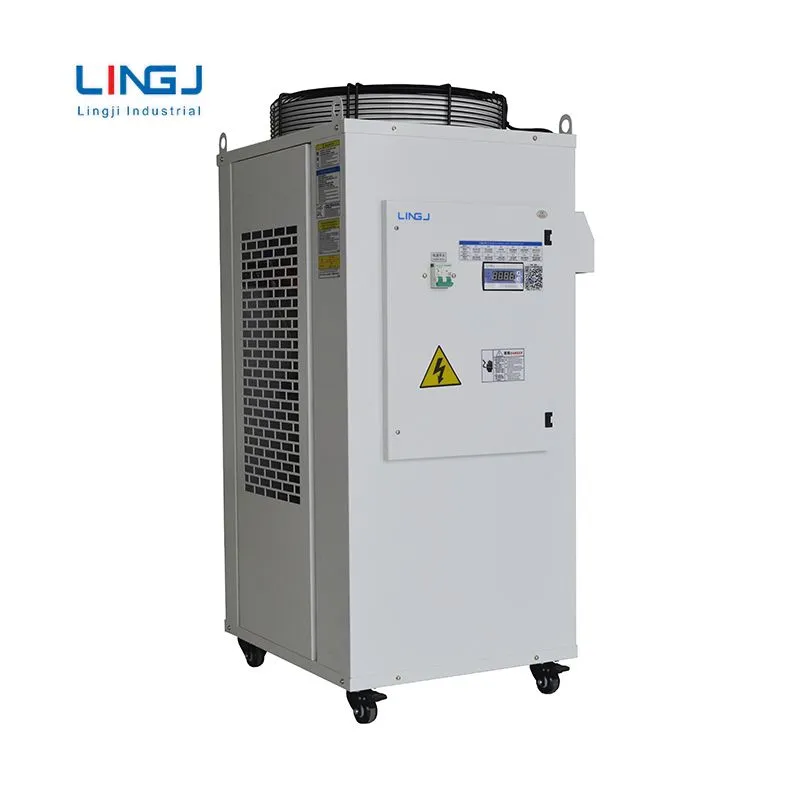
What is an Industrial Water Cooler?
An industrial water cooler is a system designed to remove heat from equipment or processes using water as the cooling medium. Unlike air cooling systems, which can be inefficient in high-temperature environments, water coolers circulate water through coils to absorb and transfer heat, effectively maintaining optimal operating temperatures.
Industry Term Analysis:
- Cooling Capacity: Measured in tons, indicating how much heat the cooler can remove. A typical industrial water cooler might have a cooling capacity ranging from 5 to over 100 tons, essential for specific applications.
- Flow Rate: The amount of water circulating through the system, usually measured in gallons per minute (GPM). Industrial water coolers often operate efficiently at flow rates between 20 GPM and 200 GPM, ensuring proper heat extraction.
- Heat Exchange Efficiency: Refers to how effectively a device transfers heat. Modern systems can achieve efficiencies of 85% or higher, demonstrating significant advancements in design and technology.
Application Scenarios of Industrial Water Coolers
Industrial water coolers are crucial in various fields, including:
- Manufacturing Plants: Facilitating cooling for machines and processes to prevent overheating and downtime.
- Data Centers: Regulating temperatures of servers and maintaining optimal conditions for data storage.
- Food and Beverage: Ensuring processes such as brewing or bottling maintain required temperatures for quality control.
- Chemical Plants: Providing consistent cooling to reactors, preventing runaway reactions and maintaining safety.
The ability to adapt to various applications makes industrial water coolers indispensable across numerous sectors, providing enhanced productivity and safety.
Advantages of Industrial Water Coolers
The significance of industrial water coolers lies in their efficiency, sustainability, and reliability. Key benefits include:
- Cost Efficiency: Studies show that companies can reduce energy costs by up to 30% when switching from air cooling systems to water coolers.
- Reduced Wear and Tear: The optimal operating temperatures facilitated by water cooling can increase the lifespan of industrial equipment by 25%, minimizing replacement costs.
- Environmental Impact: These systems tend to have a lower carbon footprint. Industrial water coolers can enhance energy savings by approximately 15% on average, contributing to a more sustainable industrial practice.
Understanding these advantages helps businesses make informed decisions when it comes to investing in cooling solutions.
Next Steps
To learn more about using industrial water coolers effectively in your operations, consider reading the user guides available from manufacturers like Lingji Jingke. Familiarize yourself with installation requirements, operational efficiency tips, and maintenance schedules to maximize your cooling system’s lifespan and performance.
FAQ
1. What is the difference between an industrial water cooler and a chiller?
Industrial water coolers are designed for direct cooling applications, using water for heat exchange, while chillers typically refrigerate water to cool processes indirectly. Chillers usually have more complex systems involving refrigeration cycles, while coolers are simpler and often more energy-efficient for specific applications.
2. How can I improve the efficiency of my industrial water cooler?
Regular maintenance is key. Cleaning filters, checking for leaks, and ensuring proper water flow are critical steps. Additionally, using water treatment solutions can enhance performance and reduce scaling.
3. What brands can I consider for industrial water coolers?
Brands like Lingji Jingke are recognized for their quality products, offering a range of industrial cooling solutions tailored to various needs.
By following these insights, you can ensure your facility meets cooling demands efficiently, reducing costs and environmental impacts in the process.


Sach a nice topic, and you can also read Hindustan Group Trusted Rice Polishing Wheels Supplier Hindustan Group is a leading Rice Polishing Wheels Supplier of rice polishing wheels in India. We have been in the business for over 40 years and have a reputation for providing high-quality products and services.
ReplyDeleteThis is a really nice topic, and it’s a pleasure you can also read - Grinding Segments The Workhorses of Surface Grinding
ReplyDeleteIn the world of metalworking, achieving precise surface finishes is crucial for countless components. Grinding wheels are a mainstay for this task, but for some jobs, there's a hero that often goes unrecognized: grinding segments
Grinding segments are essentially mini grinding wheels attached to a metal plate. They come in various shapes and sizes, each suited for specific grinding applications. They're most commonly used on rotary table surface grinding machines.