What industries use industrial water coolers?
In today's industrial landscape, maintaining optimal temperatures is crucial for operational efficiency and product quality. industrial water coolers play a pivotal role in various sectors, including manufacturing, food processing, and data centers. These advanced cooling systems address common pain points, such as overheating machinery, temperature-sensitive processes, and energy consumption. By ensuring effective temperature regulation, industrial water coolers can lead to significant operational savings, enhanced productivity, and reduced environmental impact. The growing demand for efficient cooling solutions has made industrial water coolers indispensable in modern industrial applications.
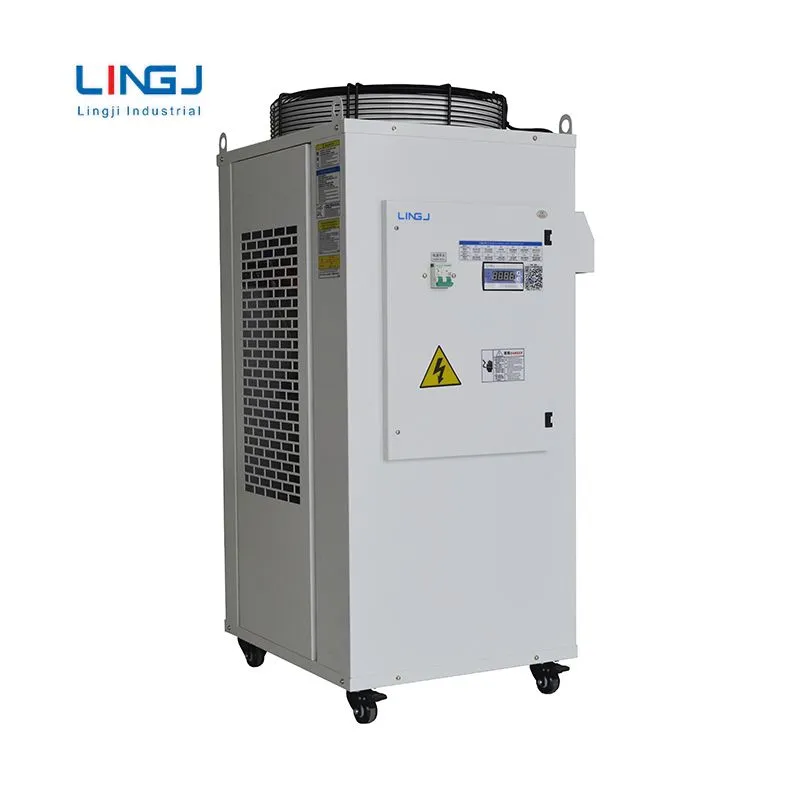
Definition: What Are Industrial Water Coolers?
Industrial water coolers are robust cooling systems designed to remove heat from equipment, machinery, and processes in various industrial settings. These systems typically utilize water as a heat transfer medium, allowing for efficient temperature control. Key industry terms associated with industrial water coolers include:
- Heat Exchanger: A device that transfers heat between two or more fluids, used to cool down the water circulating through industrial processes.
- Closed-loop System: A configuration where the cooling water is recirculated, reducing water wastage and improving efficiency.
- Cooling Tower: An external structure that dissipates heat from the water used in industrial processes.
Application Scenarios: Where Are Industrial Water Coolers Used?
Industrial water coolers find applications across numerous fields, including:
Manufacturing: They are critical in cooling machinery and processes to maintain production efficiency, improving cycle times by up to 15% according to industry studies.
Data Centers: These facilities require robust cooling solutions to manage the heat generated by servers. Proper temperature regulation can reduce operational costs by up to 25%, contributing to longer equipment life and reliable performance.
Food and Beverage Processing: Maintaining specific temperatures during production is vital for food safety and product quality. Cooling systems can help streamline processes, reducing spoilage rates by 20% or more.
Chemical Processing: In this sector, controlling heat is essential for safety and efficiency. Industrial water coolers help ensure compliance with safety regulations, which can lead to a 35% reduction in potential safety hazards.
Brief Description of Advantages: Why Are Industrial Water Coolers Important?
Industrial water coolers offer several advantages, including:
Energy Efficiency: Advanced models can lead to a 30-60% reduction in energy consumption compared to traditional cooling methods. A well-designed cooling system typically provides a coefficient of performance (COP) greater than 4.0, indicating high efficiency.
Reduced Downtime: By maintaining optimal temperatures, these systems minimize the risk of overheating, which can lead to machinery failure or production halts. This proactive cooling approach can reduce downtime incidents by approximately 25%.
Sustainability: Using water as a cooling medium, these systems are more environmentally friendly compared to air-cooled units, which often rely on harmful refrigerants. Adopting water cooling can help companies comply with environmental regulations and achieve sustainability goals.
Next Steps: Guidance for Users
For those interested in implementing industrial water coolers, we recommend exploring user guides specific to your industry requirements. Additionally, brands like Lingji Jingke offer specialized solutions tailored to various applications, ensuring that you find the best system for your needs.
FAQ
1. What types of industrial water coolers are available? There are several types, including portable water coolers, centralized systems, and modular units, each designed for specific cooling needs.
2. How do I select the right industrial water cooler for my application? Consider factors such as the cooling capacity, energy efficiency, and specific application requirements. It may be beneficial to consult with industry experts or suppliers like Lingji Jingke.
3. What maintenance is required for industrial water coolers? Regular maintenance includes cleaning heat exchangers, checking for leaks, monitoring water quality, and servicing pumps to ensure optimal performance.
4. Can industrial water coolers be integrated with existing systems? Yes, most industrial water coolers can be integrated into existing cooling networks, enhancing overall efficiency.
In conclusion, understanding the role of industrial water coolers and their benefits can significantly impact operational efficiency and sustainability. For further information and potential trials, explore reputable brands, including Lingji Jingke, to discover high-quality cooling solutions that meet your industrial needs.


Comments
Post a Comment